
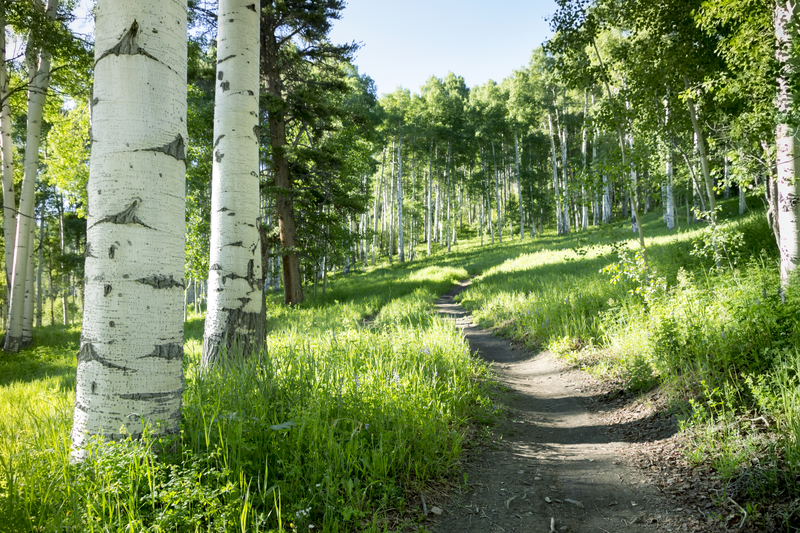
Northern Colorado’s rugged beauty, from the foothills of Horsetooth Mountain to the alpine lakes of Rocky Mountain National Park, draws countless adventurers eager to explore. With endless trails, high peaks, and open skies, it’s easy to feel invincible out there. But nature, as stunning as it is, can change its mood in an instant. Whether you’re hiking, backpacking, climbing, or paddling, knowing when to call it a day is one of the most valuable outdoor skills you can have.
Every experienced outdoor enthusiast eventually learns that the decision to turn back can be the smartest move you make. It’s not about giving up – it’s about recognizing the signs that the trail, the weather, or your own limits are telling you to stop. Understanding these red flags can mean the difference between a thrilling adventure and a dangerous situation. Here’s how to spot them before it’s too late.
1. Watch the Weather – It Can Change Fast

In Northern Colorado, mountain weather can shift dramatically in just a matter of minutes. Clear skies in the morning can quickly give way to thunderstorms, heavy winds, or sudden temperature drops, especially above treeline. This unpredictability means that even if the forecast looks favorable, conditions on the trail may tell a different story. Dark clouds gathering on the horizon, increasing winds, or an unexpected chill are all warning signs that you should consider turning back before conditions worsen. Lightning is particularly dangerous in exposed areas, and once a storm is overhead, options for safe shelter are often limited.
Hiking or climbing in unstable weather not only increases the risk of accidents like slips or falls, but it also makes navigation more difficult. Trails can become slick, visibility can drop, and rivers or streams can swell rapidly after rainfall. Being caught unprepared in a storm can quickly turn a fun outing into a serious emergency. Paying attention to the sky, listening for distant thunder, and being aware of temperature changes are critical. When in doubt, retreating to a lower elevation or sheltered terrain is often the safest choice, and it preserves the opportunity to enjoy the adventure another day.
2. Pay Attention to Trail Conditions
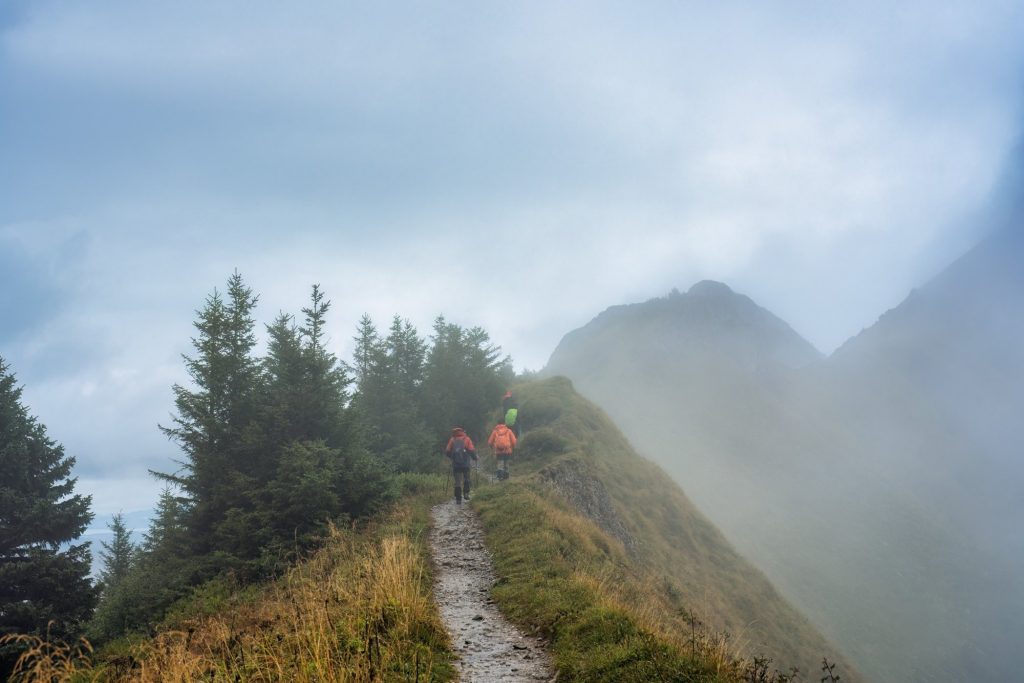
Trail conditions in NoCo can change quickly, and what starts as a manageable hike can become dangerous if the terrain turns unpredictable. Washouts, fallen trees, icy patches, or unexpected snowfields are all signals that your route may no longer be safe. Early spring and late fall are particularly tricky – trails in areas like Poudre Canyon or near Estes Park can hide ice beneath thin layers of snow, while snowmelt can swell streams and make crossings hazardous. Slippery rocks and muddy sections increase the likelihood of slips and falls, especially on steep or narrow trails.
Beyond immediate hazards, difficult trail conditions can slow your pace, drain energy, and increase the chance of getting caught out after dark. Even well-marked trails can become disorienting when snow covers the path or heavy rain erodes familiar landmarks. If you encounter sections that feel unsafe or beyond your skill level, turning back is often the smartest option. Continuing under poor conditions not only puts you at risk but can also complicate rescue efforts if something goes wrong. Knowing when to retreat keeps your adventure fun and ensures you can return another day to safely enjoy the trail.
3. Know Your Limits – and Your Group’s
Physical limits and experience levels vary widely among hikers and outdoor enthusiasts. Northern Colorado’s high-altitude terrain can be especially challenging, and altitude sickness can affect even seasoned adventurers. Symptoms like dizziness, nausea, headache, or confusion are clear warnings that your body is struggling. Fatigue, dehydration, and cold can quickly compound these effects, making it more difficult to make safe decisions. Pushing forward despite these warning signs can turn a manageable hike into a dangerous situation.
It’s also important to consider the abilities of your group as a whole. If someone is struggling with pace, morale is low, or injuries appear, it’s often better to adjust the plan or turn back than to risk everyone’s safety. Adventure should be enjoyable, not a test of endurance at all costs. By recognizing your limits and paying attention to your companions, you ensure that the day remains positive and safe, and you increase the likelihood of having many more outdoor adventures in the future.
4. Wildlife Encounters: Respect Their Space
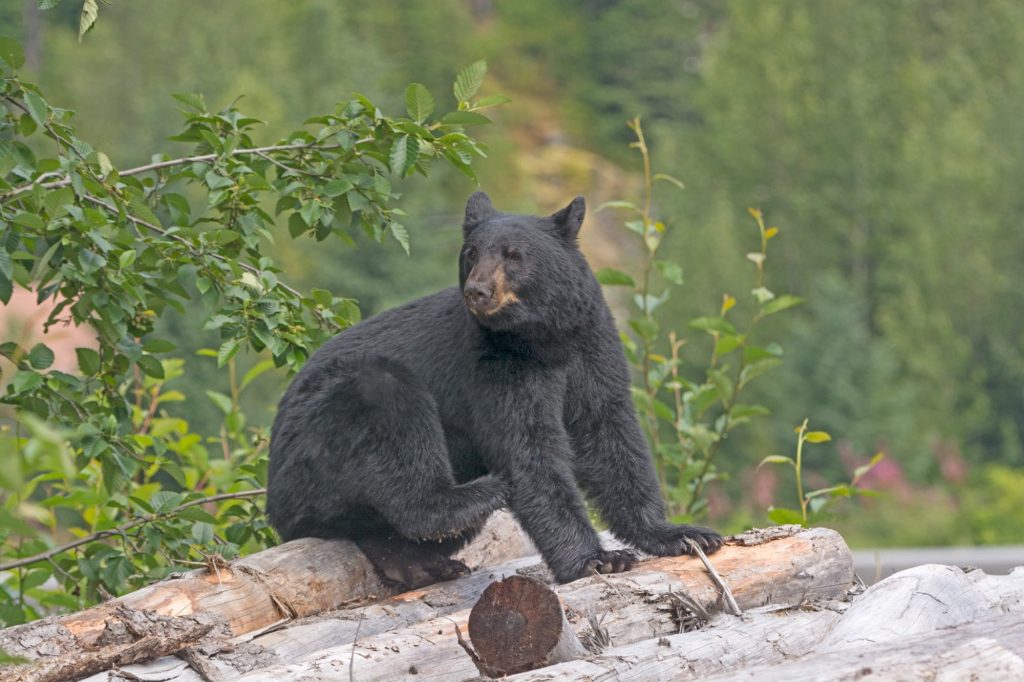
NoCo is home to a variety of wildlife, from black bears and moose to coyotes and mountain lions. While spotting these animals can be a thrilling part of outdoor exploration, close encounters can quickly become dangerous if the animal feels threatened. Any sudden change in behavior – stomping, snorting, or protective posturing – signals that you may be too close. Approaching or startling wildlife can provoke defensive reactions, putting both you and the animal at risk.
Even when animals appear calm, it’s important to remain cautious and maintain a safe distance. Never attempt to pass between a mother and her young, and avoid feeding or enticing wildlife. Being aware of your surroundings, making noise in areas where visibility is limited, and giving animals plenty of space allows for safe observation without escalating risk. Respecting wildlife ensures your safety while preserving the natural behaviors of the animals you came to enjoy.
5. Gut Feeling? Trust It
When you’re out in nature, sometimes the most important safety signal doesn’t come from the sky or the trail – it comes from your instincts. That uneasy feeling in your gut when the weather shifts, when a trail feels wrong, or when group dynamics start to sour is worth listening to. Many seasoned hikers and climbers can recall a moment when their intuition told them to stop or turn back, even when everything appeared fine. Often, that quiet sense of caution surfaces just before conditions take a turn for the worse. Ignoring it can mean missing the chance to make a timely, safe decision.
Trusting your instincts doesn’t mean panicking – it means pausing to evaluate what’s changed and why you feel uneasy. Maybe the wind is picking up, the light is fading faster than expected, or the terrain looks unfamiliar. Those signals are often your brain processing subtle details you haven’t consciously noticed. Taking a break to reassess your surroundings, check your map, or talk with your group can help you confirm whether it’s time to continue or head back. The most experienced adventurers know that listening to that inner voice isn’t a sign of weakness – it’s a sign of wisdom that comes from respecting both the outdoors and your own awareness.
6. Equipment Malfunctions Can Happen
Your gear is more than just convenience – it’s often a critical safety factor in the backcountry. Even small failures, like a worn-out hiking boot sole or a torn backpack strap, can make challenging terrain far more dangerous. For technical activities such as climbing, paddling, or backcountry skiing, malfunctioning ropes, harnesses, or flotation devices can create life-threatening situations in a matter of seconds. Equipment failures can slow you down, increase fatigue, and heighten the risk of slips, falls, or exposure to the elements.
Paying attention to your gear throughout the day is just as important as checking it before you leave. Notice if your pack starts chafing, poles feel unstable, or clothing no longer protects against wind or moisture. These early warning signs should prompt a reassessment of your route and options. Sometimes the smartest decision is to turn back before reaching technical or remote sections where a gear failure could leave you stranded. Maintaining awareness of your equipment’s condition ensures not only your safety on the trail but also your ability to enjoy future adventures without setbacks.
7. Watch for Rapidly Rising Water

Rivers, streams, and creeks in Northern Colorado can swell quickly due to rainstorms or snowmelt. Water that is calm in the morning can become a torrent by afternoon. Attempting to cross fast-moving water is extremely risky, as even shallow currents can knock you off your feet or sweep you downstream.
Pay attention to rainfall upstream or sudden changes in water levels, and avoid low bridges or log crossings that could become unstable. If you notice water rising while on a trail, it’s a clear warning to reroute or retreat to higher ground. Taking precautions early ensures that you avoid dangerous crossings and the potential need for emergency rescue.
8. Navigational Uncertainty
One of the most serious red flags in the outdoors is losing confidence in your route. Trails can become obscured by snow, mud, fallen trees, or seasonal overgrowth, and trail markers may be faded, missing, or misleading. Even experienced hikers can find themselves off course when conditions change unexpectedly, and relying solely on memory or intuition can quickly turn a manageable outing into a high-risk situation. In remote areas, poor navigation can lead to long delays, exhaustion, or being stranded far from help.
When you notice inconsistencies between your map, GPS, or the physical trail, it’s crucial to pause and reassess your options. Double-check your position, consider backtracking to a known point, or reroute to safer terrain. Continuing on an uncertain path not only increases your personal risk but also complicates potential rescue efforts. Developing a habit of constant situational awareness – tracking landmarks, trail signs, and compass bearings – helps prevent navigational errors and ensures that your adventure remains both safe and enjoyable.
9. Persistent Pain or Injury
Minor aches can quickly evolve into major issues if ignored. A sprained ankle, worsening blister, or muscle fatigue can compromise your ability to navigate challenging terrain safely. Pushing through pain may cause further injury, so slow your pace and avoid hazards for yourself and your group.
Recognizing the limits of your body and acting early is crucial. If you or a group member is experiencing persistent pain or injury, it’s a strong signal to adjust your plans or turn back. Protecting your physical well-being ensures you can recover fully and return to the outdoors without long-term consequences.
10. Time Pressure
Time management is a critical, often overlooked factor in outdoor safety. Trails that seem easy during daylight can become treacherous after the sun sets, with reduced visibility making navigation difficult and hazards like rocks, roots, or uneven terrain harder to spot. Temperature can drop quickly in the mountains, increasing the risk of hypothermia, especially if you’re wet or fatigued. Running out of daylight can turn a routine hike into a potentially dangerous situation, particularly in remote areas of Northern Colorado where cell service is limited and help may be far away.
Planning your turnaround time with a safety buffer is essential for a safe outing. If progress is slower than expected or conditions become more challenging, it’s crucial to reassess and consider turning back. Rushing to reach a destination in fading light can lead to poor decision-making, increasing the likelihood of slips, falls, or navigational errors. By respecting time limits and leaving ample daylight to return, you reduce risk, maintain safety, and ensure that your adventure ends on a positive note, allowing for more trips in the future.
Know When to Turn Back And Live to Adventure Another Day
The wild beauty of NoCo will always call to those who love the outdoors, but nature demands both respect and awareness. From changing weather to rough trails, from faltering gear to that gut feeling that something isn’t right, every red flag is a signal meant to protect you. Recognizing and responding to those signs isn’t just about avoiding danger – it’s about developing the wisdom and humility that make you a more capable adventurer. The mountains, rivers, and forests will always be there tomorrow – your job is to make sure you are, too.
Turning back doesn’t mean you failed – it means you listened. It means you valued safety over stubbornness and intuition over ego. The most memorable outdoor experiences often come not from pushing limits but from understanding them. So the next time you hit the trails around Horsetooth, Estes Park, or the Poudre Canyon, remember: adventure smart, stay alert, and let the journey, not the summit, define your success.